Discover how an ADHD-friendly diet can enhance focus and well-being. Learn which foods to eat, which to avoid, and tips for managing ADHD through nutrition.
Estimated reading time: 8 minutes

ADHD can make long-term routine tasks like meal planning overwhelming. But what if you could use the benefits of proper nutrition to enhance your focus and other symptoms?
Several foods and nutrients may help manage attention deficit hyperactivity disorder (ADHD). An ADHD-friendly diet can boost brain function, improve attention, regulate mood swings, and support better sleep.
Read on to learn how an improved nutrition strategy can fuel your attention and help you better cope with other symptoms of ADHD.
The Role of Nutrition in ADHD Management
There is no scientific evidence that diet or nutrition causes attention deficit hyperactivity disorder (ADHD). Instead, research suggests that there are at least a few foods that can help manage ADHD symptoms to some extent. While nutritional changes cannot substitute other treatments, a revised diet can be a powerful aid in that effort to change your brain function for the better.
Researchers are still investigating the specific role of diet in ADHD, so there is no one best diet for ADHD. The choice of foods varies depending on the individual needs. However, there are some recommendations on dos and don’ts you may consider when planning your meals; let’s review them below.
Foods That Help Manage ADHD
Although not a replacement for medication or therapy, certain foods are also a potent ally for ADHD management. These are brain foods that help focus and be productive while also supporting physical health.
You can consult an ADHD specialist for more detailed guidelines, and now let’s see which foods are commonly recommended in this case.
Fatty Fish
Salmon, tuna, mackerel, and other fatty fish are rich in Omega-3 fatty acids and are good for brain health. Omega-3s support:
- Brain cell membrane structure.
- Neurotransmitter function.
- Inflammation reduction.
It is often advised to eat two to three servings of grilled, baked, or poached fatty fish each week.

Leafy Greens
Spinach, kale, collard greensб or any other dark type of greens are high in:
- Folate: This helps maintain emotional balance and focus.
- Iron: Iron deficiency is associated with worsened cognitive and behavioral symptoms in children with ADHD. Adequate iron is crucial for brain health.
- Antioxidants: They help in reducing inflammation.
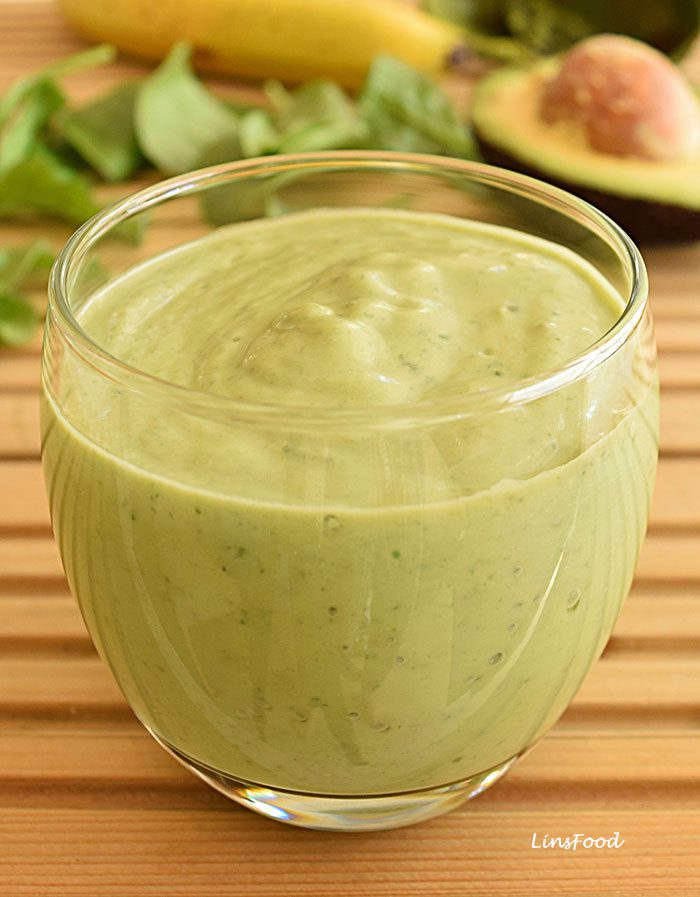
You can use them in salads, toss with a dressing, add to smoothies, or sauté in olive oil.
Nuts and Seeds
Nuts and seeds such as walnuts, chia seeds, and flaxseeds offer:
- Brain-supporting healthy fats.
- Magnesium to aid in focus and calmness.
- Fiber for sustained energy.
Munch on nuts and seeds, or you can layer them onto oatmeal or yogurt.
Whole Grains
Whole grains like brown rice, quinoa, and whole wheat bread offer:
- Carbohydrates: These are a source of energy that is slowly delivered to the body.
- Fiber: Helps to reduce inflammation.
- B Vitamins: Benefit brain function.
Opt for whole grains rather than processed or refined ones because whole grains provide more vitamins, fiber, minerals, and other nutrients.
Lean Proteins
Lean proteins in your diet, such as chicken, turkey & beans, provide:
- Amino acids: These are the building blocks for neurotransmitter production.
- Vitamin B6: Helps in regulating mood.
- Magnesium: Promotes relaxation.
Try to include lean proteins like beans, eggs, chicken, and fish at meals or snacks.

Avocados
Avocados offer:
- Good fats supporting brain functioning.
- Fiber that supports digestion.
- Antioxidants that help reduce inflammation.
You can make an avocado toast or simply slice it into salads.
Fermented Foods
Some examples of fermented foods include kimchi, kefir, and sauerkraut. They contain:
- Probiotics that support digestive and gut health.
- Omega-3s that have anti-inflammatory properties.
- Vitamins and minerals, increasing brain functionality.
Add fermented foods to meals or snack on them.
Berries
Blueberries, strawberries, and raspberries contain these helpful nutrients:
- Antioxidants help reduce inflammation.
- Vitamin C, which is good for immune support.
- Fiber, improving digestion.
You can eat them as a snack or add them to oatmeal and smoothies.

Foods to Limit or Avoid
When managing ADHD, certain foods can hinder progress, so it’s often recommended to limit them. However, you don’t need to cut every single food discussed below. Every person’s body can react differently, so track your symptoms alongside the details of your diet to identify the patterns.
Processed Meats
Hot dogs, sausages, and bacon are examples of processed meats and they contain:
- Preservatives: These alter the functionality of neurotransmitters.
- Sodium nitrate: Can exacerbate hyperactivity in some people with ADHD.
- AGE’S (Advanced Glycation End): Pro-inflammatory products.
It is better to choose whole, nitrate-free meats to maintain and improve overall health.
Sugary Treats
Sugary foods like candies, cookies, and soda can cause:
- Blood sugar spikes and crashes.
- Energy fluctuations.
- Impaired cognitive function.
Prioritize natural sugars, like fruits and berries.
Refined Carbohydrates
Processed carbohydrates such as bread, pasta, or sweets can cause:
- Imbalance in blood sugar.
- Energy crashes.
- Nutrient deficiencies.
Choose whole grains and complex carbs more often.
Fried Foods
French fries, fried chicken, and doughnuts contain the following:
- Omega-6: Some omega-6 fatty acids are pro-inflammatory.
- Oxidized cholesterol: This can negatively affect brain cells.
- More sodium: This can disrupt your fluid balance.
Try to roast, bake, or grill foods more often.
Artificial Additives
Artificial flavors, colors, and preservatives in food may cause the following effects:
- Interfere with the functioning of neurotransmitters.
- Trigger hyperactivity.
- Overwhelm brain processing.
Read the labels and prioritize additive-free options.
Caffeine and Energy Drinks
Too much caffeine and energy drinks can cause:
- Energy crashes and emotional swings.
- Disrupted sleep patterns.
- Increased anxiety.
Consider going for herbal teas or water instead.
Supplements to Support ADHD Diet
If there are any nutritional gaps, a healthcare provider may recommend taking supplements in addition to a balanced diet. For example:
- Omega-3 fish oil
- Vitamin D
- Magnesium
- Iron
- Ginkgo Biloba
- Bacopa Monnieri
- Probiotics
Note that it’s always important to consult a healthcare professional before starting any supplements.
ADHD Meal Plan for Adults
Here are some ideas for healthy meals for adults with ADHD. You can customize your eating plan by choosing different options from the list or exploring other ones together with your doctor or nutritionist.
Breakfast Ideas
- Oatmeal topped with chia seeds, walnuts, and berries.
- Ground chicken with veggies and side fruits.
- Boiled eggs.
- Scrambled eggs with spinach and whole-grain toast.
- Ground chicken sauté with veggies.
- Smoothie with spinach, banana, almond milk, flaxseeds, and peanut butter.
- Whole grain pancakes topped with fresh berries.
- Greek yogurt.

Lunch Ideas
- Grilled chicken.
- Salad with spinach, avocado, cherry tomatoes, and pumpkin seeds.
- Chicken wrap with lettuce, cucumber, and hummus.
- Tuna salad wrapped in a whole wheat tortilla with avocado, lettuce, and cucumber.
- A side of carrot sticks, mixed greens, or roasted vegetables.
- Pasta salad with beans and lunchmeat.
- Grilled shrimp.
- Grilled chicken Caesar salad with whole grain croutons and a light olive oil dressing.
Dinner Ideas
- Baked salmon with roasted sweet potatoes and steamed broccoli.
- Grilled fish with rice and roasted veggies.
- Grilled turkey burgers (use lean meat) with a side of roasted zucchini and a quinoa salad.
- Taco salad with steak, beans, and vegetables.
- Grilled chicken breast with steamed green beans.
- Mashed sweet potatoes.
- Steak with grilled vegetables and sweet potato.
- Grilled salmon with quinoa and steamed asparagus.
Snacks Ideas
- Sliced apples with almond butter.
- Yogurt with nuts.
- Veggie sticks with hummus or guacamole.
- Nut butter and fruits or crackers.
- Greek yogurt with sunflower seeds.
Conclusion
ADHD management requires a holistic approach, and nutrition plays a significant role in it. As Laura Maleknia, CRNP, FNP-C, a board-certified Nurse Practitioner at MEDvidi, emphasizes, “While diet is not a substitute for medication or behavioral therapy, integrating brain-boosting foods in your diet plan can complement a holistic treatment approach. By focusing on balanced nutrition and minimizing pro-inflammatory foods, individuals with ADHD may experience improved cognitive function and mood regulation.”
Remember, everyone is unique, so monitor your mental health while making changes to your diet, adjust your meal plan accordingly, and consult a mental health professional if the symptoms are not getting better.
For more information, I’ve found MEDvidi a great help. Be sure to check them out.